 Loading ...

Wednesday, June 11, 2025
What Influences Commodity Prices? A Practical Overview
By Century Financial in 'Blog'

.jpg)
Introduction
Commodities affect everything from food and energy prices to the economic health of entire nations. Falling wheat production could affect the supply and price of food, and rising oil prices could affect the cost of transport globally.
What Are Commodities?
Commodities are raw materials or primary agricultural products that can be bought and sold, such as crude oil, gold, wheat, and natural gas. They are broadly categorized into two types:

Hard commodities
Natural resources like metals (gold, silver, copper) and energy products (crude oil, natural gas, coal).

Soft commodities
Agricultural products like wheat, coffee, cotton, and livestock.
These essential goods are traded on global markets, and their prices fluctuate based on several economic and geopolitical factors.
Key Drivers of Commodity Prices
Various elements contribute to the volatility of commodity prices. Understanding these factors is vital for traders and investors looking to capitalize on market movements. Here are the primary factors affecting commodity prices:
1. Supply and Demand
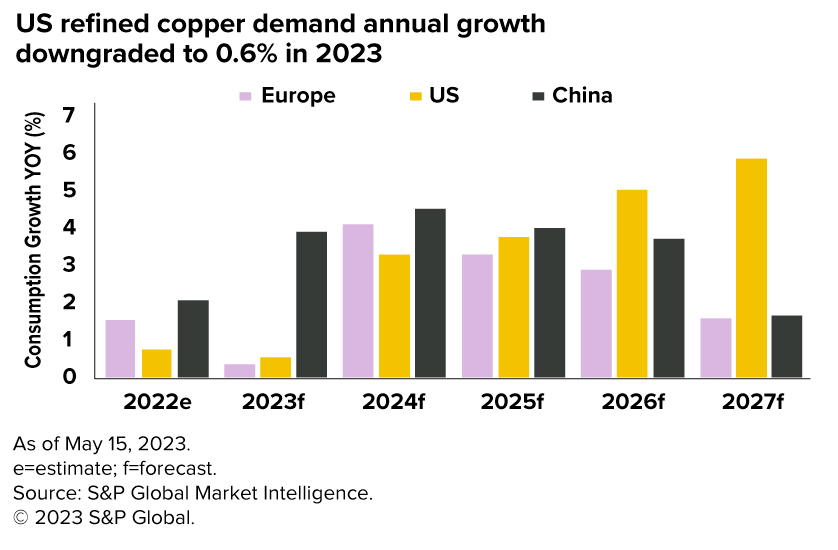
At the most basic level, commodity prices are set by supply and demand balance. Prices normally rise when supply is restricted, or demand rises. A poor harvest, for example, may reduce the supply of grain or soybeans, while a rising appetite for electric vehicles increases the demand for metals such as cobalt and lithium.

2. Geopolitical Events
Supply chains for commodities are frequently disrupted by events like trade disputes, wars, and sanctions. commodity markets are volatile due to production based out of politically sensitive regions. For instance, restrictions imposed on major producers or turmoil in the Middle East frequently affect oil prices.
3. Inflation and Interest Rates
Investors frequently use commodities as a store of value during inflationary times. The demand for commodities like gold and oil rises as a result. However, borrowing becomes more costly when central banks raise interest rates to combat inflation, while interest rate hikes can strengthen currencies and lower commodity prices.
4. Currency Fluctuations
The price of commodities is usually expressed in US dollars. These commodities become more costly in other currencies when the dollar appreciates, which may lower demand.
5. Weather and Natural Disasters
Markets for agricultural commodities are heavily influenced by weather patterns. Events that affect crop yields or energy infrastructure, such as hurricanes, floods, or droughts, can result in short-term supply shortages and price volatility.

6. Government Policies and Regulations
Environmental rules, export prohibitions, trade restrictions, and subsidies can all affect the supply and demand for commodities. These choices frequently result in abrupt price changes because they might alter production incentives or reroute trade flows.

How Commodity Prices Affect the Global Economy
Commodity prices have an effect that extends well beyond the markets. They have the following effects on the global economy:
1. Inflation
When the cost of essential commodities such as fuel or food rises, it can lead to overall inflation. This affects consumer spending, squeezes household budgets, and often prompts central banks to raise interest rates to stabilize the economy.
2. Trade Balances
High commodity prices are advantageous to exporting nations because they increase income and economic power. On the other hand, import-dependent nations would find it difficult to keep up with growing prices, which could result in trade deficits and put pressure on their currencies.
3. Stock Markets
By increasing profit margins and stock prices, rising commodity prices can help industries including mining, agriculture, and energy. Conversely, sectors like manufacturing and transportation that rely significantly on raw materials may experience decreased profitability and increased input costs.
4. Economic Growth
Booms in commodities can stimulate economic expansion in exporting countries, which frequently results in increased government revenue and the creation of jobs. A sharp drop in prices, however, could lead to economic instability, slower development, and budget deficits, especially in nations that depend heavily on a small number of exports.
Ways to Trade Commodities
Here are some well-liked strategies for investing in commodities:

Futures contracts
Agreements to buy or sell a commodity at a specific price and date.

Spot market trading
Immediate buying or selling of commodities based on current market prices.
.png)
Exchange-Traded Funds (ETFs)
Funds that track the performance of commodity prices or related sectors.

Options trading
Only Long positions provide the right, but not the obligation, to buy or sell at a given price.

Commodity stocks
Investing in companies that extract or produce commodities, such as energy or mining firms.
Each approach comes with its own set of risks and opportunities, so it’s important to stay informed and apply sound risk management strategies.
Conclusion
Global politics, economic policy, natural disasters, and supply-demand dynamics are just a few of the many variables that affect commodity prices. Even while nobody can foresee every price change, businesses and investors can make better judgments by being aware of these fundamental factors.
Global events, nature, and economics all intertwine with commodities. Because of their unusual placement, they are both intriguing and challenging to follow. Anyone who trades or depends on raw resources must monitor important trends, such as trade regulations, central bank decisions, or climate patterns, in order to confidently navigate these markets.
This marketing and educational content has been created by Century Financial Consultancy LLC (“Century”) for general information only. It does not constitute investment, legal, tax, or other professional advice, nor does it constitute a recommendation, offer, or solicitation to buy or sell any financial instrument. The material does not take into account your investment objectives, financial situation, or particular needs.
The opinions expressed by the hosts, speakers, or guests are their own and may change without notice. Information is based on sources we consider to be reliable; however, Century does not guarantee its accuracy, completeness, or timeliness and accepts no liability for any loss arising from reliance on this content.
Trading and investing involve significant risk, and losses may exceed initial deposits. Past performance is not indicative of future results. CFDs and other leveraged products are complex instruments that may not be suitable for all investors. Please ensure you understand how these products work, the associated risks, and seek independent professional advice if necessary.
Century is licensed and regulated by the UAE Capital Market Authority (CMA) under License Nos. 20200000028 and 301044.
Please refer to the full risk disclosure mentioned on our website.

__1439480927.jpg)

Regulated by SCA
Century Financial Consultancy LLC


.png)
.png)
.png)
.png)

Reach us:
-
Dubai
6th Floor, Emaar Square Building 4,
Downtown, Dubai, P.O. Box 65777,
Dubai, United Arab Emirates -
Abu Dhabi
27th Floor, Office 2701,
Shining Towers, Abu Dhabi, UAE -
Sharjah
29th Floor, Office 2905,
The Business Tower, Sharjah, UAE - +971 (4) 356 2800
- info@century.ae

Disclaimer: Trading in financial products carries substantial risk. Leveraged over-the-counter (OTC) derivatives, such as Contracts for Difference (CFDs) and spot forex, may result in losses exceeding initial deposits and may not be suitable for all investors. These complex instruments do not confer ownership of the underlying assets. Investors should carefully consider their investment objectives and risk appetite, and seek independent professional advice if necessary.
Century Financial Consultancy LLC (CFC) is licensed and regulated by the Capital Market Authority (CMA) of the UAE under license numbers 20200000028 and 301044 to carry out the activities of Financial Products dealer, Trading Broker in international markets, Trading Broker of OTC derivatives and currencies in the spot market, Introduction, Financial Consultations, and Promotion. CFC is incorporated under UAE law, registered with the Dubai Economic Department (No. 768189), with its office at 601, Level 6, Building No. 4, Emaar Square, Downtown Dubai, UAE, PO Box 65777.
The content on this website is provided solely for informational and educational purposes and does not constitute an offer, recommendation, or solicitation to buy or sell any securities or financial products.
Products and services offered by CFC are not intended for use in any jurisdiction where such use or distribution would breach local laws or regulatory requirements.
⚠️ Alert: Fraudulent Activity Notice
Century Financial Consultancy LLC (“Century”) has become aware of fraudulent individuals and entities impersonating our firm through unofficial websites, social media channels, and messaging applications such as Telegram, WhatsApp, and Discord.
Please be advised:
- Century does not manage investments on behalf of clients.
- Century does not solicit funds or guarantee investment returns.
- Century does not accept or make payments in cash, cryptocurrency, or digital assets.
- We do not conduct business via social media or messaging platforms.
Our only official website is www.century.ae, and all communication is conducted exclusively through verified channels.
We strongly urge the public to remain vigilant, verify the authenticity of any communication claiming to be from Century, and report any suspicious activity. Century disclaims any responsibility for losses arising from dealings with unauthorised or fraudulent parties.
