 Loading ...

Tuesday, January 20, 2026
FAANG Stocks: Definition, Companies, and How to Trade Them
تم إعداد هذا المنشور من قبل سنشري للاستشارات
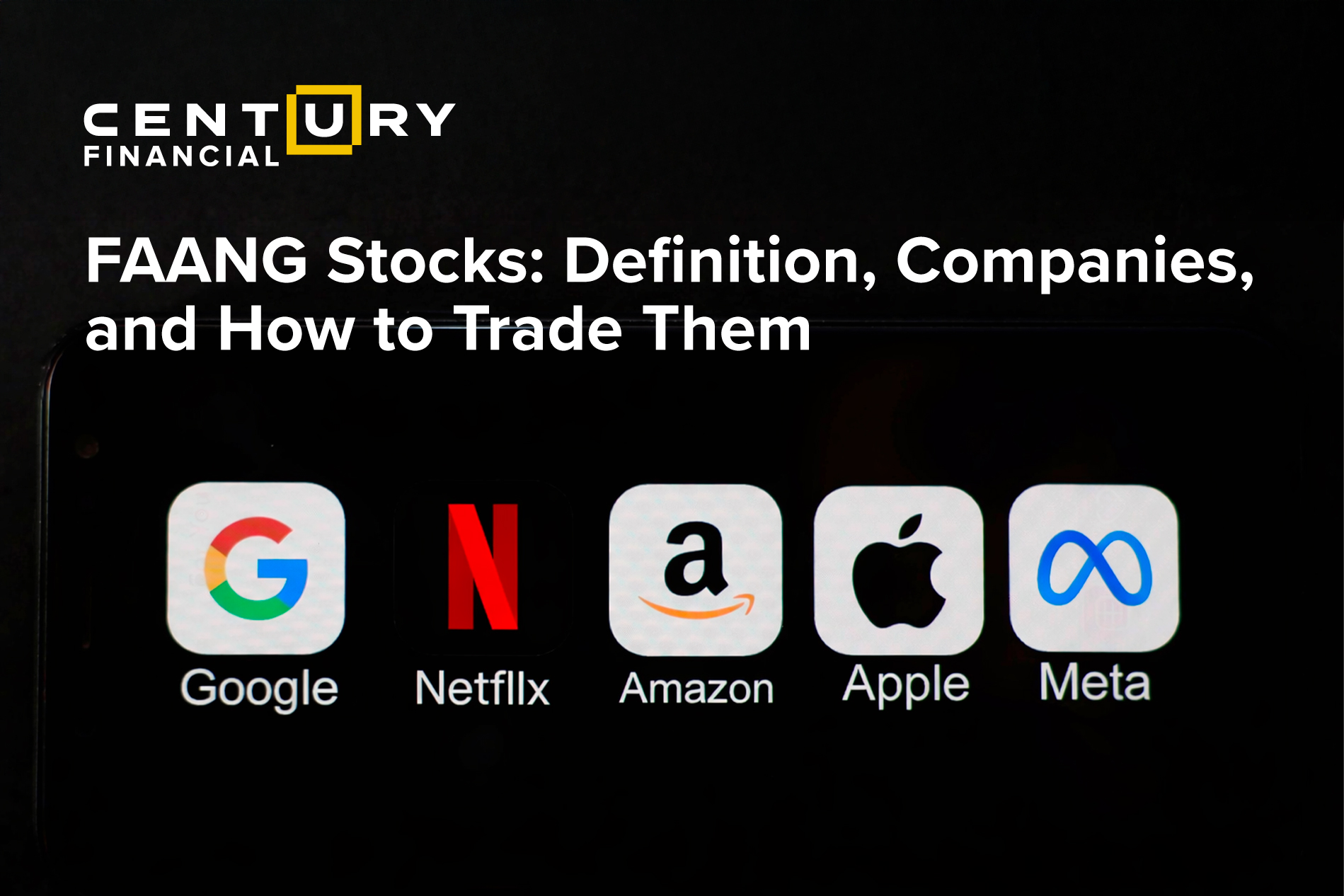
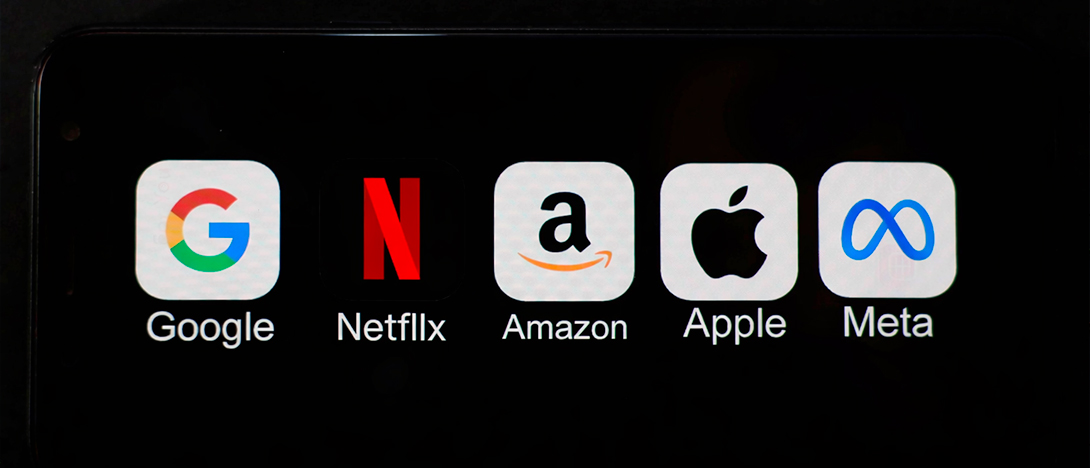
The term FAANG refers to five leading tech companies: Facebook (now Meta Platforms), Apple, Amazon, Netflix, and Google (part of Alphabet). These five companies are regarded globally as the leaders of innovation, known for their impressive revenue growth and large market capitalization. The performance of these five companies can sway major U.S. stock indices, often influencing the market's overall direction.
Understanding FAANG stocks is essential for anyone interested in US equities, technology sector trends, and global stock market movements. Factors such as earnings reports, product launches, regulatory developments, interest rate changes, and broader economic conditions often play a key role in FAANG stock price movements.
What Are FAANG Stocks?
FAANG stocks refer to a group of five large-cap technology and consumer internet companies listed on US stock exchanges. These companies are widely recognized for their innovation, strong financial performance, and significant influence on global digital ecosystems. Due to their size and market leadership, FAANG stocks often play a key role in shaping broader equity market trends.
The term FAANG is an acronym that stands for, and what each company does:

Facebook (Meta)
Focused on social media, digital advertising, and virtual reality technologies

Apple
A global leader in consumer electronics, software, and digital services

Amazon
A dominant force in e-commerce, cloud computing, and digital logistics

Netflix
A major player in subscription-based streaming and digital entertainment

Google (Alphabet)
Best known for search, online advertising, cloud services, and AI-driven products
Together, these companies account for a substantial portion of major US indices, including the NASDAQ Composite and the S&P 500. Because of their large weightings, price movements in FAANG stocks can significantly influence index performance, investor sentiment, and overall market direction.
How a Stock Split Works
Here’s a simple breakdown of how a stock split operates:
Although the number of shares increases, the market capitalization remains unchanged. Stock splits only modify the number of shares and the per-share price, not the company’s value.
Common Types of Stock Splits
Companies can use different ratios depending on their goals. The most common types include:
2-for-1 Stock Split
If a stock trades at 200, after a 2-for-1 split, the price per share is 100, and each shareholder now owns twice as many shares. This maintains value while improving liquidity.
3-for-1 and 5-for-1 Splits
Companies with strong price growth often adopt larger split ratios to maintain stock price attractiveness to retail investors. These splits allow investors to acquire more shares at a lower price, thereby increasing trading volume.
Fractional Stock Splits
Some companies offer fractional shares after splits for users holding odd numbers of shares. This ensures every investor receives the correct proportion; even small traders benefit from such actions.
Reverse Stock Split: Meaning and Purpose
A reverse stock split (also called a reverse split) is the opposite of a normal stock split. Here, companies reduce the number of shares while increasing the share price proportionately.
Example: In a 1-for-10 reverse stock split, ten shares are combined into one new share. If the pre-split price was 5, the new price becomes 50.
Companies usually implement reverse splits for reasons such as:
Reverse splits do not always indicate poor performance. Sometimes, firms use a reverse stock split to restructure and strengthen their market position.
Stock Split vs Reverse Stock Split
Here are some notable differences between a stock split and a reverse stock split:
| Feature | Stock Split | Reverse Stock Split |
|---|---|---|
| Share Count | Increases | Decreases |
| Price Per Share | Decreases | Increases |
| Market Cap | Unchanged | Unchanged |
| Market Signal | Growth, confidence | Restructuring, compliance |
| Liquidity | Increases | Often decreases |
Both actions adjust the share price without affecting the company’s intrinsic value. Traders must focus on how liquidity and market sentiment shift after these actions.
Advantages of a Stock Split for Investors
Stock splits provide several benefits to retail and active traders:
Improved Affordability
A lower share price makes the stock accessible to more investors. New traders can purchase additional units without incurring substantial capital requirements.

Better Liquidity and Lower Bid-Ask Spreads
With more shares available, trading activity increases. This can reduce spreads and help traders open and close positions more efficiently.

Improved Market Sentiment
Companies usually perform splits when they expect continued growth. Splits can attract new investors and uplift confidence.

Enhanced Portfolio Flexibility
Owning more shares after a split allows traders to trim or diversify their portfolios more easily.

How Stock Splits Affect Trading Strategies
Right after a split, trading volume typically rises. Some traders attempt to capture volatility during this period to profit from market reactions.
For long-term investors, stock splits are usually a positive sign that the company is growing and seeks broader participation.
Options contracts are adjusted automatically during splits. Strike prices, contract sizes, and premium values change to maintain fairness. Understanding these adjustments is essential for derivatives traders.
How to Identify Upcoming Stock Splits
Investors can track upcoming stock splits through:
On Century Trader, MT5, CQG, and TWS platforms, traders can easily monitor corporate actions across currencies, shares, commodities, indices, treasuries, and CFDs.
Conclusion
A stock split is an important corporate action that increases the number of outstanding shares while proportionally reducing the share price. Although it doesn’t directly change a company’s value, it improves liquidity, accessibility, and market sentiment.
Understanding stock splits, share splits, and reverse stock splits helps traders make informed decisions and capitalize on post-split price movements.
Elevate your trading experience with
Century Trader App
Elevate your trading experience with
Century Trader App

Whether you are a beginner or an advanced trader, having a reliable platform is essential for tracking market events.
FAQs
Q1. What is the meaning of split shares?
A: Split shares meaning refer to a corporate action where a company increases the number of its shares while proportionately reducing the share price. The total investment value remains unchanged.
Q2: Does a stock split affect my ownership?
A: No. A stock split doesn’t change your ownership percentage. You simply hold more shares at a lower per-share price.
Q3: Is a reverse stock split good or bad?
A: A reverse split is neither inherently good nor bad. It depends on the company’s rationale. Some do so to avoid delisting, while others restructure to achieve greater price stability.
Q4. Can I trade during a stock split?
A: Yes. Trading continues normally, although shares may reflect adjusted prices after the effective date.
Q5. Do stock splits always increase stock prices?
A: No. A stock split does not guarantee future price appreciation. It may improve liquidity and sentiment, but fundamentals decide long-term performance.
Related Reads
لا تقدم شركة سنشري للإستشارات والتحليل المالي ش.ذ.م.م (الشركة) محتوى هذه المدونة، بما في ذلك أي أبحاث أو تحليلات أو آراء أو توقعات أو أي معلومات أخرى (يُشار إليها مجتمعةً باسم "المعلومات")، إلا لأغراض التسويق والتثقيف وإتاحة المعلومات العامة. ولا يُفسَّر ذلك على أنه نصيحة استثمارية أو توصية أو دعوة لشراء أو بيع أي أدوات مالية.
كما يجوز نشر هذه المعلومات عبر قنوات مختلفة، بما في ذلك موقع الشركة الإلكتروني، ومنصات الغير، والنشرات الإخبارية، والمواد التسويقية، ورسائل البريد الإلكتروني، ووسائل التواصل الاجتماعي، وتطبيقات المراسلة، والندوات الإلكترونية، وغيرها من وسائل التواصل. وبينما تسعى الشركة لضمان دقة المحتوى، فإنها لا تضمن اكتماله أو موثوقيته أو تحديثه في الوقت المناسب. وعليه، فأي قرارات تُتخذ بناءً على هذه المعلومات تكون على مسؤوليتك الشخصية. ولا تتحمل الشركة أي مسؤولية عن أي خسارة أو ضرر ناتج عن استخدامها.
ينطوي تداول المنتجات المالية على مخاطر كبيرة، بما لا يتناسب مع جميع المستثمرين. فيُرجى التأكد من وعيك التام بالمخاطر، وطلب الاستشارة المهنية المتخصصة إذا لزم الأمر.
يُرجى الاطلاع على بيان كشف المخاطر الشامل المتوفر على موقعنا الإلكتروني.




تنظمها هيئة الأوراق المالية والسلع
سنشري للاستشارات المالي ش.ذ.م.م


تصل إلينا:
-
دبي
الطابق رقم 6, مبنى رقم 4, ساحة إعمار دبي
وسط مدينة دبي، ص.ب: 65777،
دبي، الإمارات العربية المتحدة -
Abu Dhabi
27th Floor, Office 2701,
Shining Towers, Abu Dhabi, UAE -
Sharjah
29th Floor, Office 2905,
The Business Tower, Sharjah, UAE - +971 (4) 356 2800
- info@century.ae

Century Financial is the presenting sponsor of

ينطوي التداول في المنتجات المالية على مخاطر كبيرة. فالاعتماد على المشتقات المالية المتاحة للتداول خارح البورصة، مثل عقود الفروقات وتداول العملات الأجنبية (الفوركس) الفوري، قد يتسبب في خسائر تتجاوز قيمة الإيداعات الأولية، مما يجعلها غير ملائمة لجميع المستثمرين. فهذه الأدوات المالية المعقدة لا تمنح ملكية مباشرة للأصول الأساسية. لذا، ينبغي للمستثمرين الاحتراز عند تحديد أهدافهم الاستثمارية ومراعاة مستوى المخاطرة المتوقَع، واللجوء إلى الاستشارة المهنية المتخصصة عند الضرورة.
سنشري للإستشارات والتحليل المالي ش.ذ.م.م (الشركة)، شركة مرخّصة ومنظمة من هيئة الأوراق المالية والسلع في دولة الإمارات العربية المتحدة، بموجب الترخيص رقم (20200000028) و(301044) لتولي أعمال الوساطة في الأسواق الدولية، وتداول المشتقات المالية والعملات المتاحة للتداول خارج البورصة في سوق التداول الفوري، بالإضافة إلى تقديم الخدمات الاستشارية والترويجية. تأسست الشركة بموجب قوانين دولة الإمارات العربية المتحدة، وهي مسجلة لدى دائرة التنمية الاقتصادية بدبي (رقم: 768189)، حيث يقع مكتبها المسجّل في 601، الطابق السادس، المبنى رقم 4، ميدان إعمار، وسط مدينة دبي، دولة الإمارات العربية المتحدة، ص.ب. 65777.
لا يُعرَض محتوى هذا الموقع الإلكتروني إلا لأغراض تعريفية تثقيفية بحتة، فلا يمثل عرضًا ولا توصيةً ولا دعوةً لشراء أو بيع أي أوراق مالية أو منتجات مالية.
لا تنوي الشركة استخدام أو توزيع منتجاتها وخدماتها في أي ولاية قضائية حيث يُشكِّل هذا الاستخدام أو التوزيع انتهاكًا للقوانين المحلية أو اللوائح التنظيمية.
